





Impact with Purpose
Creating beauty that restores — uplifting people, protecting the planet, and nurturing possibility.
Our Philosophy – “From Intention to Impact”
Every decision we make — from sourcing and packaging to partnerships — reflects our belief that beauty can be regenerative.

Our Planet – “Restoring Earth’s Balance”
We minimize waste, preserve biodiversity, and restore ecosystems through small-batch production, plant-based ingredients, and biodegradable packaging.
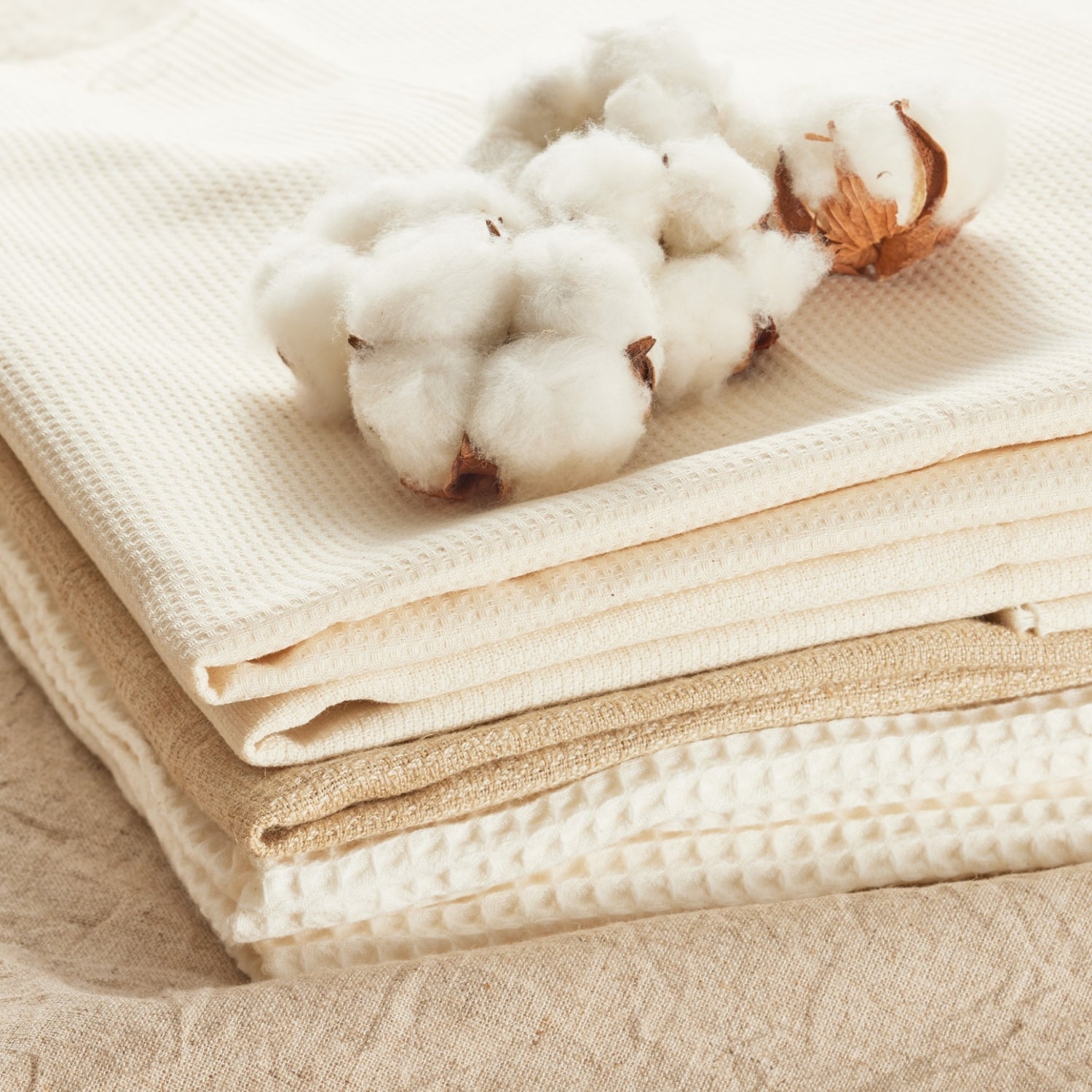
Through Kitani – “Circular Design, Conscious Living”
Our impact extends through Kitani — where 50% of our products are thrifted, repurposed, or made from recycled materials. Every Kitani piece embodies our commitment to a circular economy and waste reduction.

Our People – “Empowering Hands, Inspiring Hearts”
We work with African artisans, women-led cooperatives, and herbal growers to create dignified livelihoods and preserve cultural craftsmanship.
- 50+ artisans empowered
- 80% women-led collaborations
- 100% locally sourced herbs & fabrics
Our Initiatives – “Projects with Purpose”
Roots & Remedies
Replanting indigenous herbs and teaching sustainable harvesting.
Threads of Change
Supporting women artisans in ethical handwoven design.
Circle of Care
Offering wellness and reproductive health programs for rural women.

10,000+
Trees & Herbs Planted

200+
Artisans Trained

50%
Recycled & Thrifted Products (Kitani)

30% Profits
Reinvestment into Community
Stories of Change – “Real Voices”
Behind every collection lies a story — of resilience, creativity, and connection.
Share what your customers are saying about your products, customer service or shipping rates.
Share what your customers are saying about your products, customer service or shipping rates.
Share what your customers are saying about your products, customer service or shipping rates.
Journal Highlights – “Stories that Inspire”
Lorem Ipsum has been the industry's standard dummy text ever since the 1500s, when an unknown printer took a galley of type and scrambled it to make a type specimen book.
Lorem Ipsum has been the industry's standard dummy text ever since the 1500s, when an unknown printer took a galley of type and scrambled it to make a type specimen book.
Lorem Ipsum has been the industry's standard dummy text ever since the 1500s, when an unknown printer took a galley of type and scrambled it to make a type specimen book.
Be Part of the Change
Join us in shaping a world where beauty restores, crafts sustain, and communities thrive.